If you have ever pulled a single card from a tarot deck and wondered what it was trying to tell you, welcome — you are in exactly the right place. Tarot card meanings can feel like a secret language at first: 78 cards, four suits, a parade of magicians, towers, and moons. The good news is that tarot is far more learnable than it looks. In this beginner's guide we will break down how tarot card meanings actually work, what the major and minor arcana represent, and three simple spreads you can try tonight, even if you have never shuffled a deck in your life.
One quick promise before we begin: you do not need to memorize anything to get value from this guide. Read it once, keep it open beside your first few readings, and let repetition do the heavy lifting. When you are ready to go deeper, our tarot topic hub gathers every tarot guide on the site in one place.
How tarot card meanings actually work
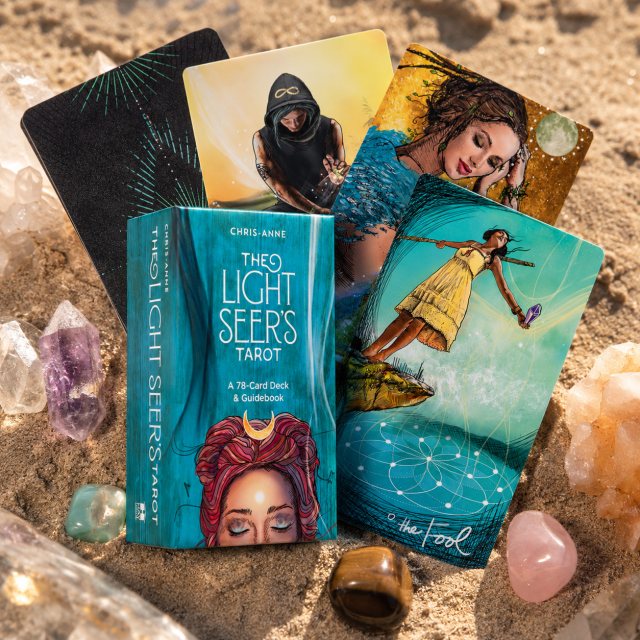
A tarot deck is a set of 78 illustrated cards, and every illustration is dense with symbols: colors, numbers, animals, postures, weather. Over centuries, readers have settled on core themes for each card. The Star suggests hope and renewal; the Eight of Swords suggests feeling trapped by your own thinking. Those agreed themes are what we call tarot card meanings — and the crucial thing to understand is that they are starting points, not verdicts.
The living meaning of a card in an actual reading comes from three ingredients working together:
- The card itself. Its traditional theme, imagery, and emotional tone.
- Its position in the spread. The same card answers differently in a "past" position than in an "advice" position.
- Your question. The Tower in a career reading lands very differently than The Tower in a question about finally clearing out the garage.
This is why two skilled readers can pull the same card and phrase its message in completely different words while landing on the same essential truth. Tarot is a structured way of reflecting on a question, one branch of the much older family of practices collected in our divination hub. If you are curious how cards compare to runes, pendulums, or the I Ching, our overview of divination methods explained makes a perfect companion to this guide.
The major arcana: 22 chapters of one big story
The major arcana are the 22 named cards most people picture when they hear the word tarot: The Fool, The Lovers, Death, The Star. Read in order, they tell one continuous story — often called the Fool's Journey — about a soul moving from innocence through challenge toward wisdom. When a major arcana card appears in your reading, it usually points to a big theme or a genuine turning point rather than the small print of daily life.
A few majors you will meet early and often:
- The Fool (0). New beginnings, leaps of faith, a beautiful willingness to not know yet.
- The Magician (I). Skill, focus, and the realization that you already have every tool you need.
- The High Priestess (II). Intuition, mystery, and the quiet wisdom of waiting before acting.
- The Wheel of Fortune (X). Cycles and luck; life turning on its own schedule, not yours.
- Death (XIII). Almost never literal — endings that clear space for whatever comes next.
- The Tower (XVI). Sudden change and collapsing structures; shake-ups that later feel like liberation.
- The Star (XVII). Hope, healing, and quiet confidence after the storm has passed.
Notice how even the so-called scary cards describe experiences every person has: endings, upheavals, uncertainty. Tarot card meanings are honest about the full shape of a life, and that honesty is exactly what makes a good reading feel so resonant.
The minor arcana: suits, numbers, and everyday life
The remaining 56 cards are the minor arcana, and they handle the texture of ordinary days. They are organized into four suits, each tied to an element and a domain of experience:
- Wands (fire). Passion, creativity, ambition, and raw energy.
- Cups (water). Emotions, relationships, intuition, and love.
- Swords (air). Thoughts, communication, conflict, and hard-won clarity.
- Pentacles (earth). Work, money, health, and the material world.
Each suit runs from ace to ten, plus four court cards. The numbers carry their own layer of meaning: aces are seeds and beginnings, fives tend to bring friction and challenge, tens mark completion of a cycle. Court cards — pages, knights, queens, and kings — often represent people in your life, or modes of energy you yourself are embodying at the moment.
Here is the secret that makes the minors manageable: once you know the suit themes and the number themes, you can make a solid guess at any minor card before you ever open a guidebook. The Five of Cups? Friction in the realm of emotion — disappointment, grief, spilled feelings. The Ten of Pentacles? Completion in the material world — legacy, security, the long game paying off. You just read two cards you may never have seen.
Three simple tarot spreads for beginners
A spread is simply a pattern of positions that gives each card a job. Start small; the sprawling ten-card spreads can wait until the vocabulary feels natural.
The one-card daily draw
Shuffle, ask "What do I need to know today?" and pull a single card. Sit with the image for a full minute before checking any book. This one habit teaches tarot card meanings faster than any amount of abstract studying, because each card gets attached to a real day in your real life.
The three-card story
Lay three cards left to right as past, present, and future — or mind, body, spirit; or situation, feeling, action. Three cards is enough to see relationships between images, and noticing those relationships is where actual reading begins.
Situation, obstacle, advice
Ask a genuine question you care about. The first card describes where things stand, the second names what is in your way, and the third suggests a direction. This spread especially shines for matters of the heart; if love is on your mind, our guide to questions to ask in a love reading will help you phrase your question well.
How to learn tarot card meanings without memorizing all 78
Rote memorization is the fastest way to burn out on tarot. Try this gentler path instead:
- Describe the picture out loud. What is happening? How does the figure seem to feel? Your plain description is usually 80 percent of the traditional meaning.
- Learn the grid, not the cards. Four suit themes plus ten number themes hand you 40 minor arcana meanings almost for free.
- Keep a tarot journal. One card a day with a two-line note. Within a month you will know dozens of cards by feel.
- Check the book last. Form your own impression first, then compare. The gap between the two is where your intuition lives.
- Follow the card through your day. Notice when its theme shows up in real life; meanings learned this way tend to stick for good.
Frequently asked questions
Do I need to be psychic to read tarot?
No. Tarot is a symbolic language that anyone can learn, the same way anyone can learn to read music. Professional readers bring years of pattern experience and, many would say, genuine intuitive gifts — which is why a live session feels so different from a solo draw. If you are curious about that experience, here is what to expect from your first psychic reading.
Is the Death card bad?
Almost never in the literal sense. Death marks endings and transformations: the job you outgrew, the habit you finally released, the chapter that had already closed in your heart. Most experienced readers are quietly glad to see it, because it signals real movement.
How is tarot different from oracle cards?
Tarot follows a fixed 78-card structure shared across nearly all decks, which is why tarot card meanings are so portable from deck to deck. Oracle decks are free-form — any number of cards, any theme — which makes them lovely for daily inspiration but less standardized for detailed readings.
Ready to see the cards in expert hands? Take our free reader-match quiz to find the advisor whose style fits you, or book a live session with Mira Hollis, the resident tarot specialist who wrote this guide. Your first reading may teach you more than a year of studying alone — and the deck is already shuffled.